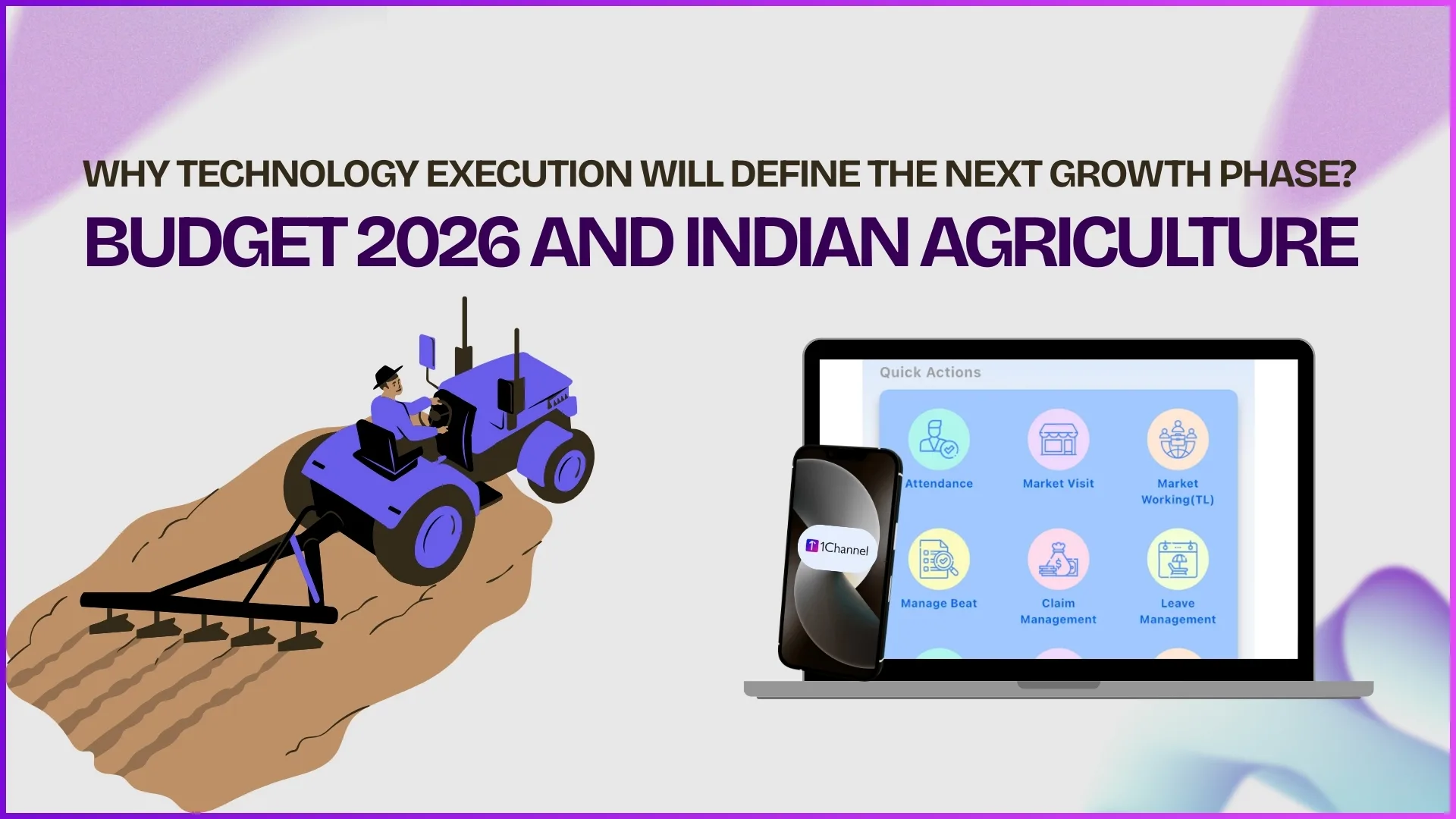
Now the Real Challenge Begins on the Ground.
On January 27, 2026, India and the European Union concluded what many are calling the "mother of all trade deals." The India–EU Free Trade Agreement (FTA) creates one of the world's largest free-trade zones, opening up unprecedented opportunities for Indian exporters and European companies alike.
Tariffs are coming down. Market access is expanding. Professional mobility is increasing.
On paper, the opportunity looks enormous.
But history tells us something important: trade agreements don't fail on policy they fail in execution.
And for most companies, execution doesn't break in boardrooms or customs offices.
It breaks on the field.

Growth Is Guaranteed. Control Is Not.
Every major trade deal triggers the same chain reaction:
- Companies expand into new regions
- New distributors and channel partners are onboarded
- Field sales teams grow rapidly
- Reporting lines become longer and weaker
- Operational leaks quietly appear
The India–EU FTA will be no different except this time, the scale is much larger.
Indian exporters will set up sales operations across multiple EU markets.
EU companies will enter India with aggressive go-to-market plans, relying heavily on local sales teams and partners.
And both will face the same uncomfortable question:
How do we scale fast without losing visibility, compliance, and control?
Hidden Operational Cost of Trade Expansion
Trade agreements reduce tariffs.
They do not reduce operational complexity.
In fact, complexity increases sharply.
Here's what typically happens after market expansion:
1. Distributed Sales Teams Multiply Overnight
New geographies mean new sales representatives, often operating remotely with limited supervision. Managers struggle to know:
- Who is actually in the field?
- Which markets are being covered?
- Whether reported activity matches reality
2. Attendance and Location Integrity Becomes Risky
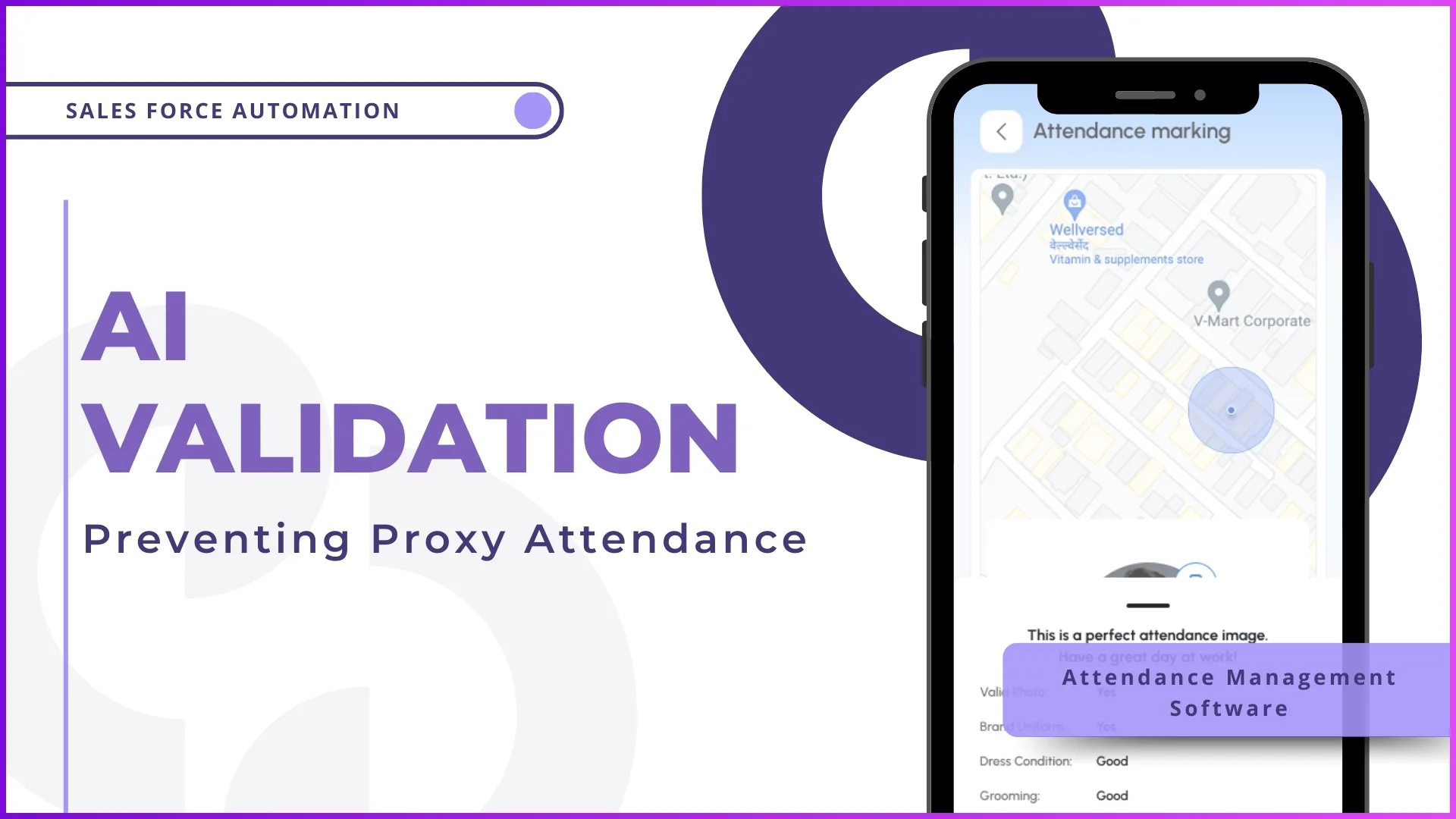
In fast-scaling operations, proxy attendance and incorrect location marking quietly creep in especially when teams are spread across cities, regions, or countries.
Without real-time validation, leadership decisions start relying on assumptions instead of facts.
3. Expense Leakage Becomes Invisible
More travel, more client meetings, more reimbursements.
Without policy-driven expense systems, costs inflate silently not due to fraud, but due to lack of control.
4. Reporting Slows Down Decision-Making
Manual reports, delayed updates, and inconsistent data create blind spots. By the time issues are visible, opportunities are already lost.
These are not "software problems."
They are execution problems.
Why the India–EU FTA Amplifies These Risks
The India–EU deal accelerates three trends simultaneously:
Export-Led Growth
Indian manufacturers, textile exporters, gems & jewellery businesses, marine exporters, and engineering firms will scale sales aggressively in Europe.
This requires:
- On-ground sales presence
- Distributor and channel partner management
- Real-time market feedback
EU Market Entry into India
European companies entering India will depend heavily on:
- Local field sales teams
- Regional distributors
- Multi-city execution
India's market complexity is high. Without strong operational systems, visibility disappears quickly.
Professional Mobility & Hybrid Teams
With increased movement of professionals, project-based teams, and cross-border assignments, organizations will need unified systems to manage:
- Attendance
- Leave
- Expenses
- Compliance across regions
In short, growth becomes faster than governance.
Explore Sales Force Automation
Empower your field teams with 1Channel's AI-powered SFA platform. Drive efficiency, boost sales, and gain real-time visibility across your entire sales operations.
Explore SFA Solutions →Trade Policy Wins Markets. Execution Wins Revenue.
This is where many companies miscalculate.
They invest heavily in:
- Legal readiness
- Logistics
- Pricing strategy
- Compliance documentation
But underinvest in:
- Field execution systems
- Sales activity visibility
- Attendance accuracy
- Expense governance
The result?
Revenue potential exists, but realization lags.
Explore Expense Management
Control field expenses with automated policy enforcement, real-time tracking, and instant reimbursements. Prevent leakage without slowing down your teams.
Explore Expense Solutions →Building an Execution-Ready Organization for the FTA Era
To truly benefit from the India–EU FTA, companies must think beyond tariffs and treaties.
They must ask:
"Is our sales and field execution infrastructure ready for cross-border scale?"
Modern growth requires real-time operational intelligence, not delayed reports.
This means:
- Knowing where your sales teams actually are
- Ensuring the right people are marking attendance
- Enforcing expense policies automatically
- Viewing field performance as it happens, not after the month ends
This operational layer becomes the difference between controlled expansion and chaotic growth.
Where Sales Force Automation Fits Naturally
Sales Force Automation (SFA) platforms are no longer "nice to have."
They are foundational infrastructure for growth-driven organizations.
In the context of India–EU expansion, SFA helps companies:
- Maintain visibility across dispersed teams
- Prevent proxy attendance through AI-based validation
- Track field activity in real time
- Control expenses without slowing down sales
- Standardize execution across markets and partners
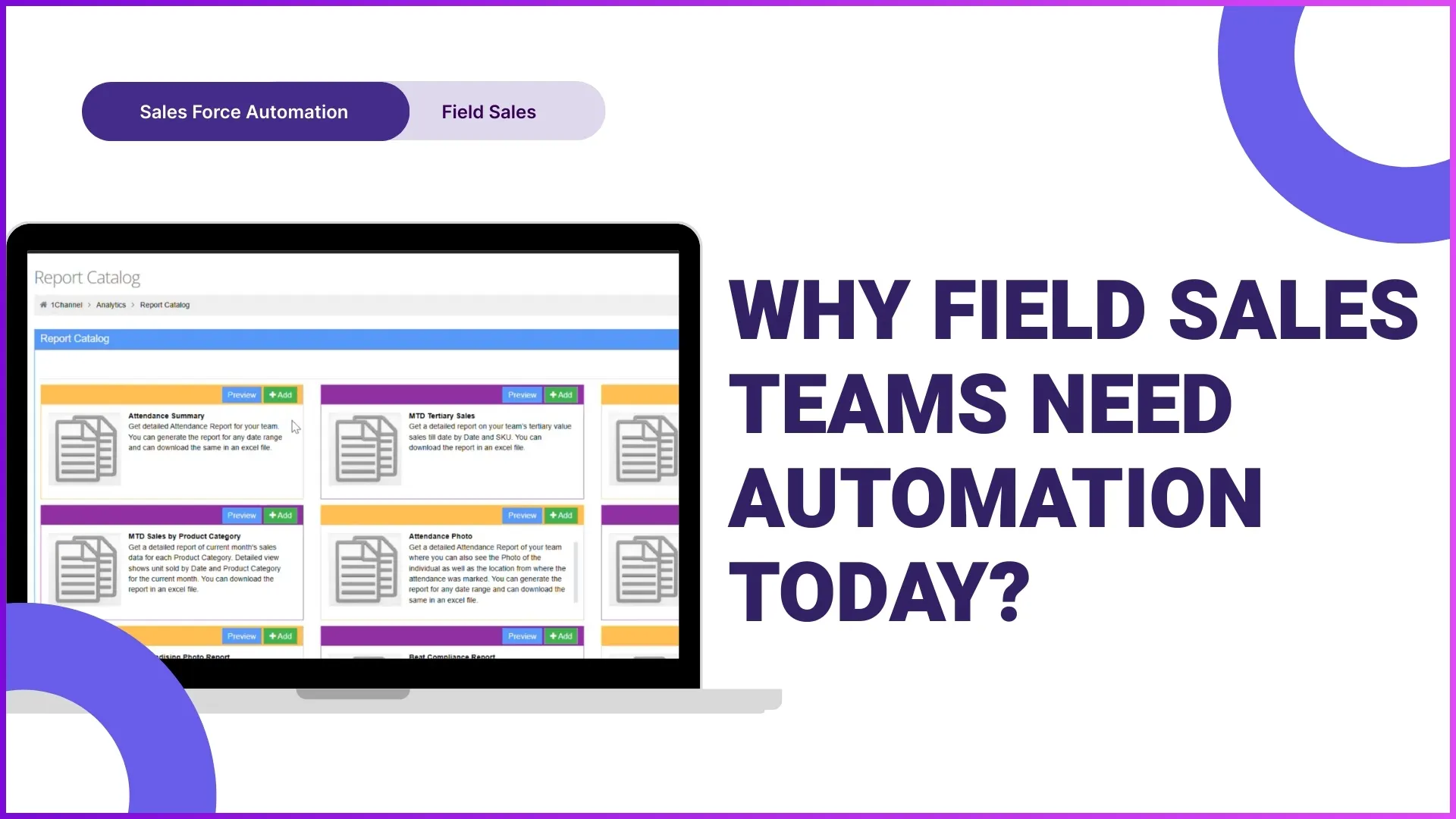
Instead of managing growth through spreadsheets and calls, leaders operate with live data and clear accountability.
Real Winners of the India–EU FTA
The companies that will win the most from this deal won't just be the ones with:
- Competitive pricing
- Strong products
- Market access
They'll be the ones who can execute consistently at scale.
Because in global trade, opportunity opens doors but execution decides who walks through them successfully.
Final Thought
The India–EU Free Trade Agreement marks a historic shift in global trade alignment.
But its real impact will be determined far away from negotiating tables —
in factories, sales territories, distributor meetings, and field visits.
For organizations planning to scale in this new trade environment, the question is simple:
Are you ready on the ground?
If not, no trade agreement can fix that.